

A Founder’s Note: Why Powerhouse Collective Exists
Powerhouse Collective was born from a simple truth: every child deserves a well-connected ecosystem of support, and education systems are strongest when families and communities are welcomed, trusted, and centered.
This truth did not come from research and practice alone. It was shaped long before I worked in education strategy, policy, or systems design. It was shaped by lived experiences, including my own.
Where My Work Began
My father is a pastor and lifelong community leader. Growing up, he was a father figure to many of my peers and consistently in service to local families. He mentored young people, helped families access resources, and showed up during moments of crisis and transition. Schools trusted him. Families trusted him. Educators saw him as a partner. His leadership reflected what meaningful community engagement looks like in practice: presence, accountability, and care grounded in relationship.
Alongside that, my mother was a history teacher and is a school leader. Growing up, she understood education systems from the inside. At home, she extended learning beyond the curriculum, grounding it in stories that helped me understand my worth and place in history. My parents navigated multiple school systems while fiercely advocating for me and my brother, never treating education as something done to families, but something families should help shape.
In the evenings, I would come home, complete my homework, and feel finished. On more occasions than I’d like to admit, that work ended up crumpled at the bottom of my bag. My mom didn’t just ask whether homework was done. She followed it through. She built relationships with my teachers so that when she checked in with them throughout the year, the effort I put in at home translated into feedback and support at school.
I remember my mom popping up at my schools unannounced, always knowing exactly where I was, what I needed, and who she needed to talk to.
There was no gap between home and school. The adults in my life were aligned. They communicated. They made decisions together.
As a child, that alignment mattered more than I understood at the time. It meant I was not navigating expectations alone. It meant consistency and support. It meant the adults around me shared responsibility for my learning and development.
Those experiences did not just shape my childhood. They shaped my understanding of what makes education systems work.
Why Powerhouse Collective
Today, after more than a decade leading family and community engagement work across local, state, and national education systems, I carry those lessons with me.
Powerhouse Collective exists because every child deserves a well-connected ecosystem of support, one grounded in love, shared leadership, and high quality learning opportunities.
We operate from the understanding that every family and community is a powerhouse, full of generational wisdom, innovation, and expertise that should be palpable in children’s learning environments. Research and practice consistently show that when families and schools are meaningfully engaged as partners, outcomes improve for children and young people.
We partner with schools, districts, state agencies, and community organizations across the U.S. to make family and community engagement the core strategy for student success. Through capacity-building programs and services, we support leaders in translating vision into action by designing engagement systems that address today’s most pressing challenges, including early childhood development, kindergarten readiness, academics and attendance, college and career pathways, AI and digital literacy, digital wellness, and the skills and confidence young people need to thrive.
Innovative learning systems should be designed and continuously improved with families and communities, not for them. We help leaders do that work in practice.
A Call to the Field
We are living in a moment of profound transition. Technology is reshaping how young people learn, connect, and imagine their futures. Traditional definitions of readiness are shifting. Many of the systems meant to support children were not designed for the terrain we are now navigating.
This moment calls for a different approach.
Family and community engagement is not about programs, events, or information sharing. It is about community care, shared learning, and shared leadership. It is about designing systems that recognize families and communities as co-creators in shaping learning, opportunity, and belonging.
If we want young people to be prepared to lead the lives of their dreams, we must build learning systems that honor and center the brilliance of the communities that love and support them.
That is the work of Powerhouse Collective.
If you are an educator, system leader, or community partner ready to move from vision to results, I invite you to learn more about who we are and how we work. I would love to connect and build what is possible together.
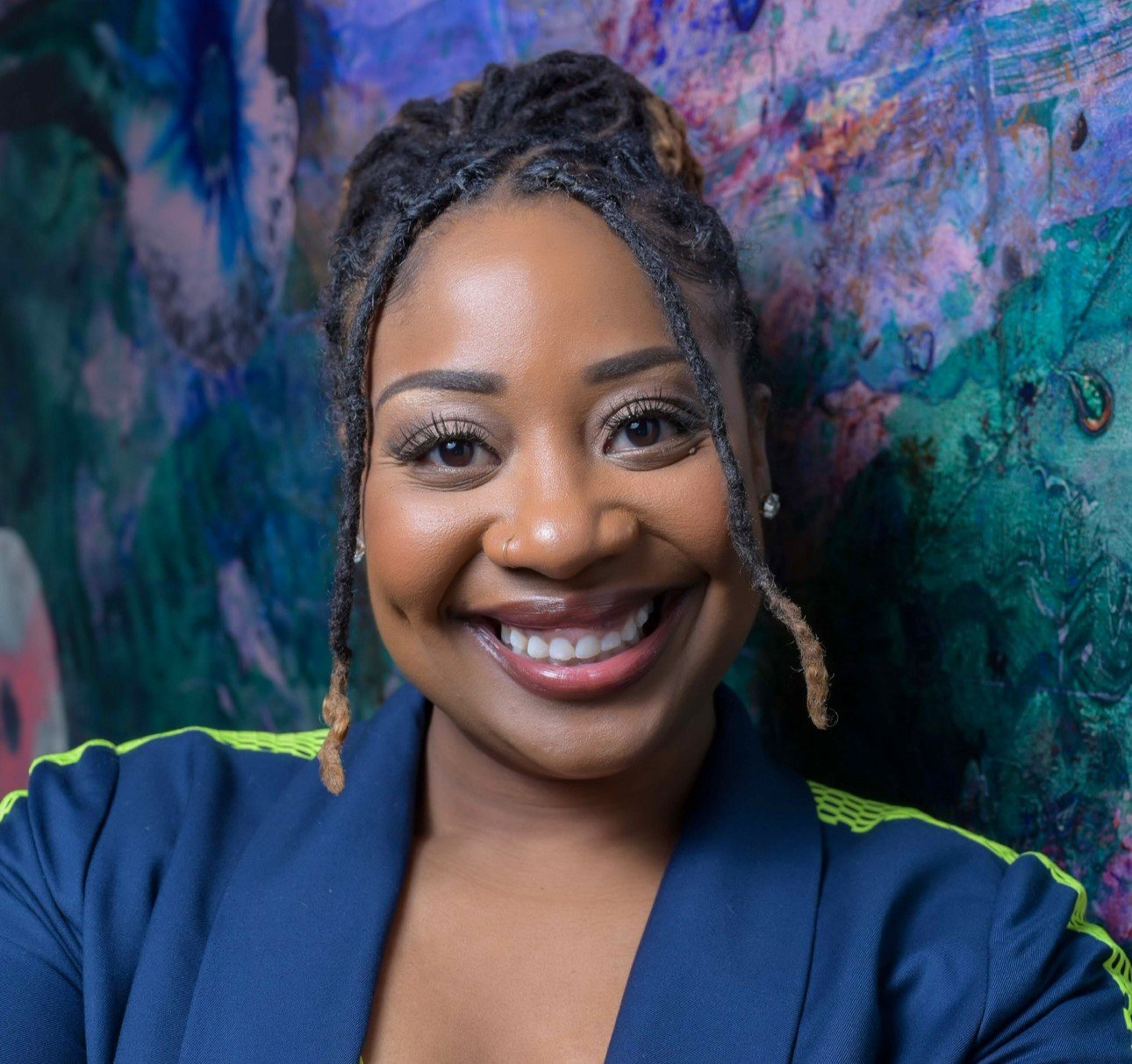
Cassandra J. McGraw, Ed.M.
President and CEO, Powerhouse Collective
